
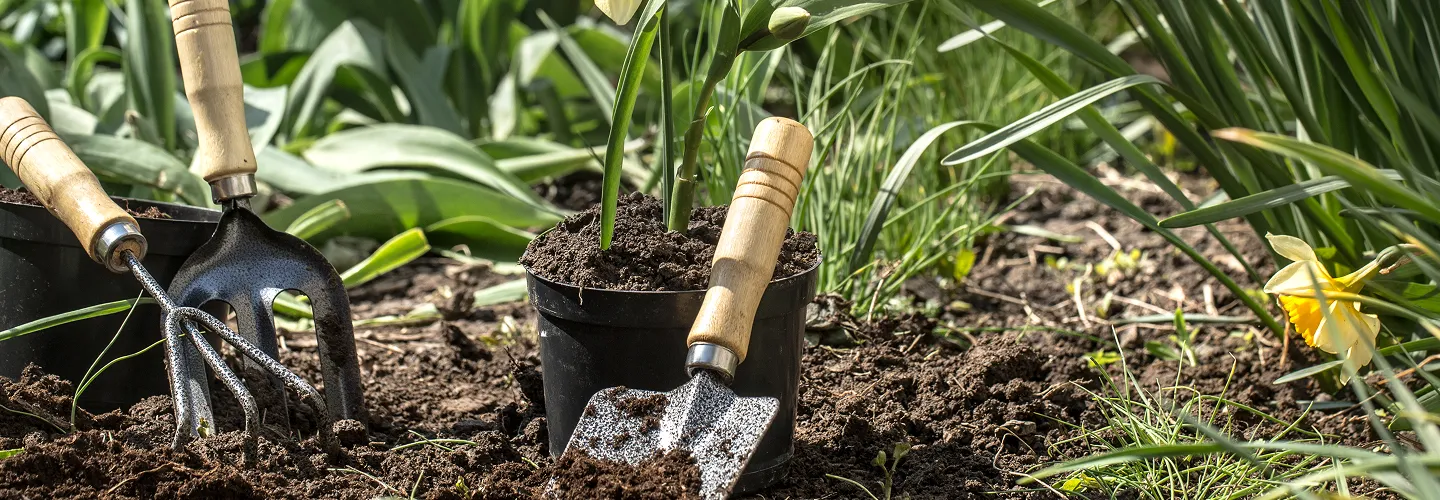
Ellaville Flower Bed Maintenance Services
Choose our Flower Bed Maintenance for expert care that ensures your blooms stay healthy, beautiful, and weed-free—giving you a stunning landscape without the hassle.
Get a Free QuoteOur Ellaville Landscaping & Yard Care Services
When to Schedule Flower Bed Maintenance in Ellaville, Georgia – Seasonal Guide
In Ellaville, Georgia, the timing of flower bed maintenance is closely tied to our unique climate and landscape. With mild winters and hot, humid summers, the best periods for comprehensive flower bed care are early spring—just after the last frost—and late fall, before the first cold snap. These windows allow for soil preparation, mulching, and planting without the stress of extreme temperatures or drought. Neighborhoods near the Schley County Courthouse and along Broad Street often experience microclimates due to mature tree canopies and varying shade coverage, which can influence when and how maintenance should be performed.
Local environmental factors such as our region’s clay-heavy soils, the risk of late spring frosts, and periodic summer droughts all play a role in determining the optimal maintenance schedule. Homeowners in areas like the Lake Blackshear vicinity should also consider humidity levels and drainage patterns, as these can affect plant health and the timing of tasks like fertilization or weed control. For more information on local climate patterns and gardening resources, visit the Sudbury municipal site.
Local Factors to Consider for Flower Bed Maintenance in Ellaville
- Tree density and shade coverage, especially in neighborhoods with mature oaks and pines
- Soil type and drainage, with many properties featuring clay-rich or compacted soils
- Average precipitation and risk of summer droughts
- Frost dates, typically late March for the last frost and early November for the first
- Terrain variations, such as sloped yards near the Flint River
- Municipal restrictions or guidelines on water usage and landscaping
Benefits of Flower Bed Maintenance in Ellaville

Enhanced Curb Appeal
Weed and Pest Prevention
Healthier Plant Growth
Seasonal Color Management
Professional Landscape Expertise
Time and Effort Savings
Ellaville Flower Bed Maintenance Types

Seasonal Flower Planting
-
Weed Control Services
-
Mulching and Soil Conditioning
-
Pruning and Deadheading
-
Fertilization Programs
-
Pest and Disease Management
-
Irrigation System Maintenance
Our Flower Bed Maintenance Process
Site Evaluation
Weed Removal
Soil Cultivation
Mulching
Plant Care
Why Choose Ellaville Landscape Services
-
Ellaville Homeowners Trust Us
-
Expert Lawn Maintenance
-
Reliable Scheduling
-
Competitive Pricing
-
Professional Team
-
Satisfaction Guarantee
-
Personalized Service
Ellaville's Middle Georgia Soils and Their Impact on Flower Bed Health
Ellaville sits in the upper Coastal Plain transition zone of Middle Georgia, within USDA Hardiness Zone 8b, where soils present distinct challenges for flower bed establishment and maintenance. The predominant soil series in the Schley County area—including Faceville, Greenville, and Orangeburg sandy loams—tend toward moderate acidity with pH levels often ranging from 5.0 to 6.2. These soils drain more rapidly than Piedmont red clays but can develop subsurface hardpans that restrict root development in established beds. Property owners should conduct soil testing through the UGA Cooperative Extension before amending beds, as over-liming acidic soils can harm acid-loving species such as azaleas, camellias, and gardenias. Key soil management practices for Ellaville flower beds include:
- Testing soil pH and nutrient levels every two to three years
- Incorporating two to four inches of organic compost annually to improve moisture retention in sandy loam profiles
- Breaking compacted subsoil layers during bed renovation using a broadfork or tiller set to eight to ten inches
- Avoiding excessive tillage that destroys beneficial soil structure
Residents can verify local soil series data through the USDA Web Soil Survey.
Seasonal Planting and Bed Refresh Timing for Ellaville's Long Growing Season
Ellaville's extended warm season—typically lasting from mid-March through early November—creates both opportunities and obligations for flower bed maintenance. The National Weather Service Peachtree City forecast office serves the Ellaville area, and historical data indicates the average last spring frost falls near mid-March, with the first fall frost arriving in mid-November. This approximately 240-day growing season supports multiple planting rotations per year. Recommended seasonal timing includes:
- Spring transition (mid-March to mid-April): Remove winter annuals such as pansies and snapdragons; install warm-season bedding plants including lantana, pentas, zinnias, and salvia after soil temperatures reach 65°F consistently
- Summer maintenance (May through August): Deadhead spent blooms weekly, monitor for fungal issues during periods of high humidity, and apply supplemental irrigation during drought intervals
- Fall refresh (late September to mid-October): Transition beds to cool-season annuals; incorporate mums, ornamental kale, and dianthus
- Winter preparation (late November to December): Cut back perennial stems, apply a fresh two- to three-inch mulch layer, and remove diseased plant material to reduce overwintering pathogens
These windows align with guidance published by UGA Cooperative Extension for Middle Georgia growing conditions.
How Ellaville's Municipal Code Affects Frontage Bed Upkeep and Property Appearance
The City of Ellaville maintains property appearance standards under its Code of Ordinances, which address nuisance vegetation, overgrowth, and general property maintenance within city limits. While Ellaville does not impose a dedicated flower bed permit, property owners and managers should be aware that neglected beds with excessive weed growth, accumulated debris, or vegetation encroaching onto sidewalks and rights-of-way may trigger code compliance action. Frontage beds along Broad Street and other primary corridors are particularly visible and subject to community standards. Practical compliance steps include:
- Maintaining bed edges to prevent turf and weed encroachment onto sidewalks or drainage swales
- Removing dead plant material and accumulated leaf litter promptly
- Keeping bed plantings below sightline height at intersections and driveway aprons—generally under 30 inches
- Disposing of green waste properly rather than depositing it in drainage ditches or rights-of-way
Property owners with questions about specific ordinance provisions should verify current requirements with the City of Ellaville or consult the Schley County Code of Ordinances for properties outside city limits. The City of Ellaville Planning and Zoning Board can address questions related to land use and development proposals that may affect bed installation on commercial or multi-family properties.
City of Ellaville Planning and Zoning Board
118 East Oglethorpe Street, Ellaville, GA 31806
Official Website: City of Ellaville Planning and Zoning Board
Protecting Ellaville's Drainage Infrastructure During Bed Mulching and Fertilization
Ellaville's stormwater drainage system relies on roadside ditches, culverts, and low-lying collection areas that ultimately feed into Sweetwater Creek and Buck Creek watersheds. Flower bed maintenance activities—particularly mulching, fertilizing, and applying pre-emergent herbicides—can introduce sediment, nutrients, and chemical residues into these waterways if not managed carefully. The Georgia EPD Watershed Protection Branch oversees water quality standards that apply to all municipalities, and the Clean Water Act establishes federal protections for downstream water bodies. Responsible bed maintenance practices include:
- Applying mulch in layers no thicker than three inches to prevent displacement during heavy rain events common in Middle Georgia's spring and summer months
- Using slow-release granular fertilizers rather than liquid applications near drainage ditches or low areas
- Sweeping excess fertilizer granules off sidewalks, driveways, and curbs back into beds immediately after application
- Avoiding bed work during active rainfall or when heavy rain is forecast within 24 hours
- Maintaining a vegetated buffer of at least five feet between flower beds and the nearest drainage ditch or stormwater inlet
Any fertilizer products applied commercially must comply with the Georgia Fertilizer Act of 1997, and applicators using restricted-use pesticides or herbicides in beds must hold valid credentials under the Georgia Pesticide Use and Application Act of 1976.
Selecting Heat-Tolerant and Deer-Resistant Bed Plants for Ellaville Properties
Ellaville's Middle Georgia location subjects flower beds to sustained summer temperatures frequently exceeding 95°F, high humidity, and periodic drought stress between June and September. Additionally, properties near wooded edges and along the rural-urban fringe of Schley County experience moderate to heavy deer browse pressure. Plant selection for flower beds should account for both heat resilience and wildlife resistance. The following species perform well in Ellaville's Zone 8b conditions and demonstrate documented deer resistance:
- Lantana (Lantana camara): Full sun, drought-tolerant once established, strong deer resistance
- Salvia (Salvia guaranitica, S. leucantha): Tolerates heat and humidity, attracts pollinators, rarely browsed by deer
- Coneflower (Echinacea purpurea): Native perennial, moderate drought tolerance, low deer preference
- Rosemary (Rosmarinus officinalis): Evergreen, thrives in well-drained sandy loam, aromatic foliage deters deer
- Muhly grass (Muhlenbergia capillaris): Native ornamental grass suitable for bed borders, excellent heat and drought tolerance
- Knock Out roses: Heat-adapted shrub rose with extended bloom period, moderate deer resistance
Residents should consult UGA Cooperative Extension publications on deer-resistant landscaping and native plant recommendations for the Middle Georgia region. Avoiding high-browse species such as hostas, daylilies, and impatiens in unfenced beds near wooded corridors will reduce maintenance losses significantly.
What Neighborhoods Do We Serve Throughout Ellaville, GA?
- Downtown Ellaville / Broad Street Corridor: Properties along and adjacent to Broad Street feature older established lots with mature shade trees, requiring bed plant selections tolerant of partial to full shade. Frontage beds in this area are subject to heightened visibility and municipal appearance standards.
- Highway 26 West Residential Area: Homes along the GA-26 corridor west of downtown tend toward larger lots with full sun exposure and sandy loam soils that drain quickly, demanding more frequent irrigation and mulch replenishment for flower beds.
- Oglethorpe Street and Church Street Historic Core: This area includes some of Ellaville's oldest residential properties, where compacted soils from decades of development and mature root systems from large oaks and pecans create challenging bed conditions requiring regular soil amendment.
- North Ellaville / School District Area: Properties near Schley County schools feature newer development patterns with open yards and full sun, well-suited for warm-season annuals and perennial beds but often underlain by graded fill soils that benefit from organic matter incorporation.
- Sweetwater Creek Vicinity: Lots near Sweetwater Creek may experience periodic wet conditions and higher humidity at ground level, making proper bed drainage, raised planting, and fungal disease monitoring essential for flower bed longevity.
- Rural-Edge Properties Along County Roads: Properties at Ellaville's municipal boundary transition into larger rural parcels where deer pressure, limited municipal services, and variable soil conditions require adapted plant selection and self-managed green waste disposal.